Thread Rolling Technology Shaping the Future of Manufacturing
Understanding Thread Rolling Technology
What is Thread Rolling?
Thread rolling is a manufacturing process used to create threads on metal parts through deformation rather than removing material. This technique involves the use of cylindrical dies to apply pressure to a metal workpiece, which reshapes the surface to form threads. Unlike traditional machining methods, which rely on cutting and grinding, thread rolling offers a more efficient means of producing high-strength threads. The process is particularly well-suited for hard metals, including steel and aluminum, making it a popular choice among manufacturers. By utilizing thread rolling services, companies can enhance the durability and performance of fasteners and other threaded components.
The Benefits of Thread Rolling in Manufacturing
Thread rolling provides several advantages over conventional manufacturing methods. First, it significantly increases the tensile strength of the threads produced. By compressing the metal, thread rolling enhances its mechanical properties, making it less prone to fatigue and breakage. Additionally, this process generates less waste compared to cutting methods, as it retains much of the original material. Cost-effectiveness also plays a role; thread rolling often reduces production time and labor costs, leading to a more efficient workflow. Finally, the smooth finish of rolled threads minimizes the need for additional secondary operations, such as grinding or polishing, further streamlining the manufacturing process.
Comparing Thread Rolling to Other Manufacturing Processes
When comparing thread rolling to other manufacturing processes, such as thread cutting and thread milling, distinct differences emerge. Thread cutting involves removing material from a workpiece to create threads, which can lead to significant material wastage. In contrast, thread rolling reshapes the material, preserving more of the original piece. Thread milling, while versatile and capable of producing complex geometries, often requires longer machining times and can lead to more tool wear. Thread rolling stands out as a preferred method for mass production of fasteners due to its efficiency, strength capabilities, and cost-effectiveness. Manufacturers increasingly recognize these benefits, driving a shift toward thread rolling services for high-volume applications.
Applications of Thread Rolling in Various Industries
Thread Rolling in Aerospace Manufacturing
Aerospace manufacturing demands precision and reliability, making thread rolling an ideal choice for producing threaded components. The aerospace industry often utilizes high-strength materials like titanium and aluminum, which can be effectively shaped through thread rolling. Components such as bolts, screws, and fasteners must withstand extreme conditions, including temperature fluctuations and high stress. Thread rolling ensures the uniformity and structural integrity necessary for these critical applications. Additionally, the lightweight nature of rolled threads contributes to the overall efficiency of aircraft, aiding in fuel savings and performance. As aerospace technology advances, the role of thread rolling will likely expand, further cementing its importance in this sector.
Military Applications of Thread Rolling
The military sector relies on robust and reliable fasteners for equipment and weaponry. Thread rolling services play a crucial role in manufacturing components that must endure harsh environments and rigorous operational demands. Fasteners used in military applications require exceptional strength and durability to ensure mission success. Thread rolling not only produces high-quality threads but also adheres to strict military specifications, ensuring that each component meets the standards required for military use. The ability to efficiently produce large volumes of these components makes thread rolling an indispensable process within the defense industry, where reliability is non-negotiable.
Oil and Gas Industry Uses of Thread Rolling
The oil and gas industry heavily relies on threaded components for drilling and extraction operations. Equipment such as drill pipes, casing, and various fittings require threads that can withstand extreme pressures and corrosive environments. Thread rolling services offer a solution that enhances the strength and longevity of these components. The process produces threads that resist wear and tear, crucial for maintaining the integrity of equipment in challenging conditions. Moreover, the efficiency of thread rolling reduces production times for fasteners, supporting the rapid pace of operations in this high-stakes industry. As the demand for energy continues to grow, thread rolling will remain a vital technology in ensuring the reliability of oil and gas infrastructure.
The Thread Rolling Process and Equipment
Machines Used in Thread Rolling Services
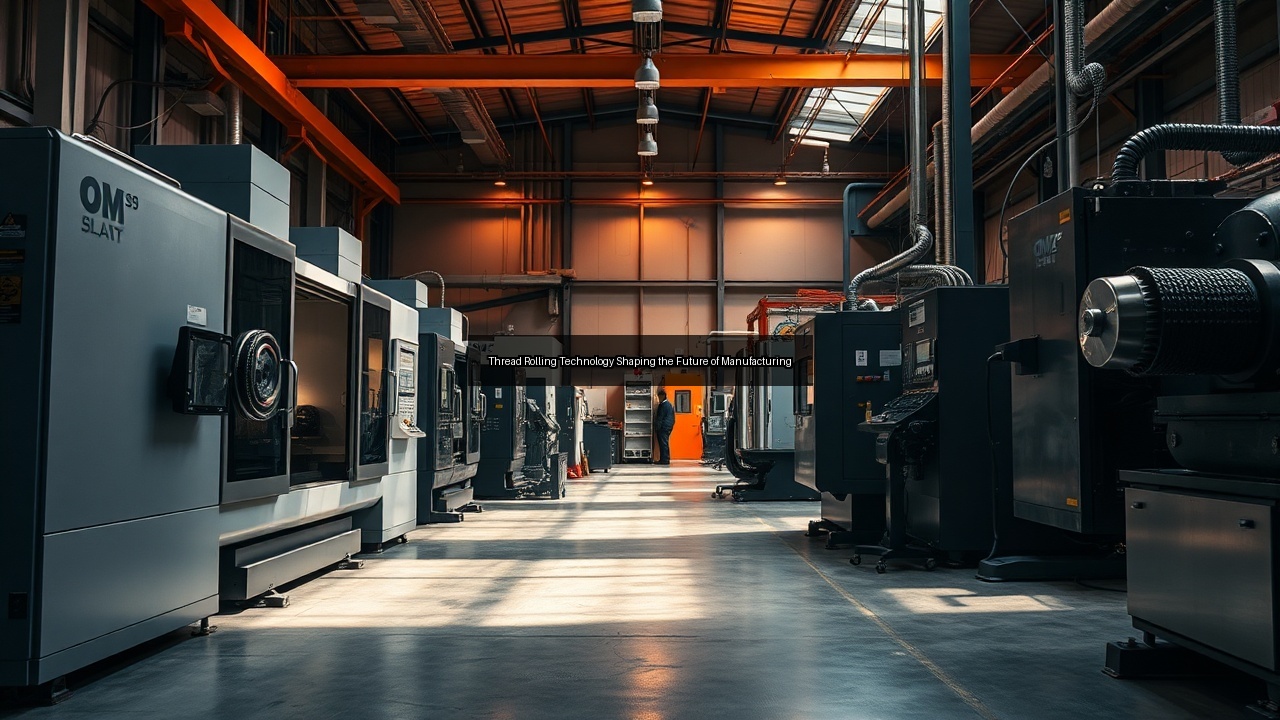
The success of thread rolling hinges on the right machinery. Specialized machines, such as thread rolling mills, are designed to handle various sizes and shapes of workpieces. These machines utilize a combination of cylindrical dies to form threads without removing material. Some machines are equipped with automatic systems that feed materials into the rolling area, enhancing efficiency and precision. Different types of thread rolling machines exist, including flat and cylindrical models, each tailored for specific applications. The choice of machine impacts the quality and accuracy of the finished threads, making it essential for manufacturers to invest in high-quality equipment for their thread rolling services.
CNC Machining and Thread Rolling Integration
Integrating CNC machining with thread rolling offers manufacturers a powerful combination of precision and efficiency. CNC (Computer Numerical Control) technology allows for automated control of machining processes, ensuring high accuracy in the production of complex components. By combining CNC machining with thread rolling, manufacturers can produce threaded parts with intricate geometries and tight tolerances. This integration streamlines the manufacturing process, reducing the need for secondary operations and minimizing waste. As demand for precision-engineered components grows, the synergy between CNC machining and thread rolling becomes increasingly vital for meeting industry standards and customer expectations.
EDM and Wire EDM in Thread Rolling
Electrical Discharge Machining (EDM) and Wire EDM are complementary technologies that enhance the capabilities of thread rolling. EDM utilizes electrical discharges to remove material, making it an effective method for creating complex shapes and fine details on metal parts. When combined with thread rolling, EDM can refine the threading process, especially for intricate designs. Wire EDM, specifically, can create precise cuts and shapes in hard materials that may be challenging for traditional machining methods. This combination allows manufacturers to produce high-quality threaded components with exceptional accuracy, further expanding the applications of thread rolling in various industries.
The Future of Thread Rolling in Manufacturing
Innovations in Thread Rolling Technology
Innovations in thread rolling technology continue to shape the landscape of manufacturing. Advances in automation and robotics enable manufacturers to enhance the efficiency and precision of the thread rolling process. New materials and coatings are being developed to improve tool longevity and performance, further increasing the appeal of thread rolling services. Additionally, smart manufacturing technologies are beginning to integrate with thread rolling, allowing for real-time monitoring and quality control. These innovations not only reduce production costs but also enhance the overall quality of finished products, ensuring that manufacturers remain competitive in a rapidly evolving market.
Sustainability in Thread Rolling Services
Sustainability has become a key focus in manufacturing, and thread rolling services are no exception. The process inherently reduces waste compared to traditional cutting methods, contributing to more sustainable production practices. Manufacturers are increasingly adopting eco-friendly materials and practices, from sourcing metals responsibly to minimizing energy consumption during the rolling process. Furthermore, advancements in technology allow for greater recyclability of materials used in thread rolling, supporting a circular economy. As industries strive for greener operations, thread rolling will play a critical role in reducing the environmental impact of manufacturing.
The Role of Thread Rolling in Fastener Production
Fasteners are ubiquitous in countless applications and industries, making their production a vital aspect of manufacturing. Thread rolling serves as the backbone of fastener production, ensuring that each component meets stringent quality standards. The ability to quickly and efficiently produce high-strength threads is essential for meeting the demands of various applications, from automotive to aerospace. As the need for reliable fasteners grows, so does the importance of thread rolling in producing these critical components. Manufacturers who leverage thread rolling services gain a competitive edge in the fasteners market, ensuring their products can withstand the rigors of modern use.